
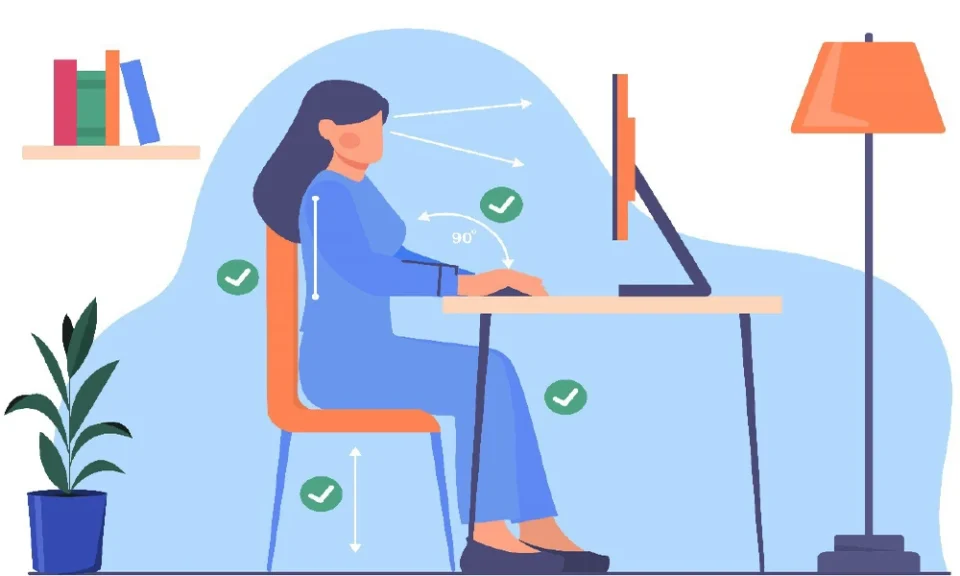
The workday feels ordinary. The chair has not changed. The computer sits where it always has. Coffee is finished before the first meeting, emails keep arriving, and the afternoon disappears faster than expected. Nothing seems unusual while it is happening. The body sometimes notices anyway.
Reaching for a file takes a little more effort than it did a month ago. Turning to answer someone across the room feels tighter. The neck loosens after a few minutes, so it hardly seems worth thinking about. A week later the same thing happens again.
That is often how the pattern begins. While looking for answers, some people search for chiropractor in oklahoma city because they want to understand whether everyday routines could be connected to the stiffness that keeps returning.
Comfort Changes Gradually
- Very few people wake up with poor posture overnight. It develops quietly. One afternoon the upper back feels tired. Another day the neck seems less willing to turn.
- Getting out of the car after driving home takes an extra second before everything loosens again. It passes. Until the same feeling begins showing up more often. That is usually the part people remember.
Movement Breaks The Routine
- The body was designed to move. Work does not always make that easy. Hours spent sitting, standing, driving, or repeating the same task can leave muscles doing the same job for longer than they would like.
- A short walk across the office. Stretching while waiting for the printer. Standing during a phone conversation. Small interruptions matter. Not because they solve every problem. Because they change the pattern.
The Place That Feels Tight Is Not Always The Starting Point
- A stiff neck may have little to do with the neck itself. Tight shoulders can influence how the upper back moves. Limited movement through the hips may affect the lower back during everyday activities.
- The body works as one connected system instead of separate parts working alone. That connection is easy to miss. Especially when discomfort appears somewhere else.
Simple Adjustments Often Last Longer
Big changes sound appealing. Small ones usually become habits.
Some practical ideas include:
- Move the screen closer to eye level if it sits too low.
- Change sitting positions instead of remaining still for long periods.
- Switch shoulders when carrying a work bag or backpack.
- Walk for a minute between longer tasks whenever possible.
- Keep frequently used items within comfortable reach rather than twisting repeatedly.
Nobody plans to develop the same posture every day. It simply happens while life moves along. The laptop opens in the same place each morning. The coffee mug always sits beside the keyboard. A shoulder lifts slightly while answering the phone, then drops again without another thought. Those moments are too ordinary to attract attention.
Taking a closer look at everyday habits sometimes explains why stiffness appears at the end of the day instead of arriving after one obvious event.
None of these changes takes very long. Doing them consistently is usually the harder part. Searching for chiropractor in oklahoma city is often one of the first steps people take when they want to learn more about posture, spinal health, and everyday movement. Sometimes the biggest improvements begin with noticing the small habits that have quietly become part of the daily routine.
