
Replacing a missing tooth involves more than filling the visible gap. The way a replacement is supported can affect how it functions, feels, and fits into your daily routine.
Implant-supported restorations use dental implants placed in the jawbone to support a crown, bridge, or certain types of dentures. Understanding how they work can help you discuss tooth replacement options with your implant dentist.
What Does “Implant-Supported” Mean?
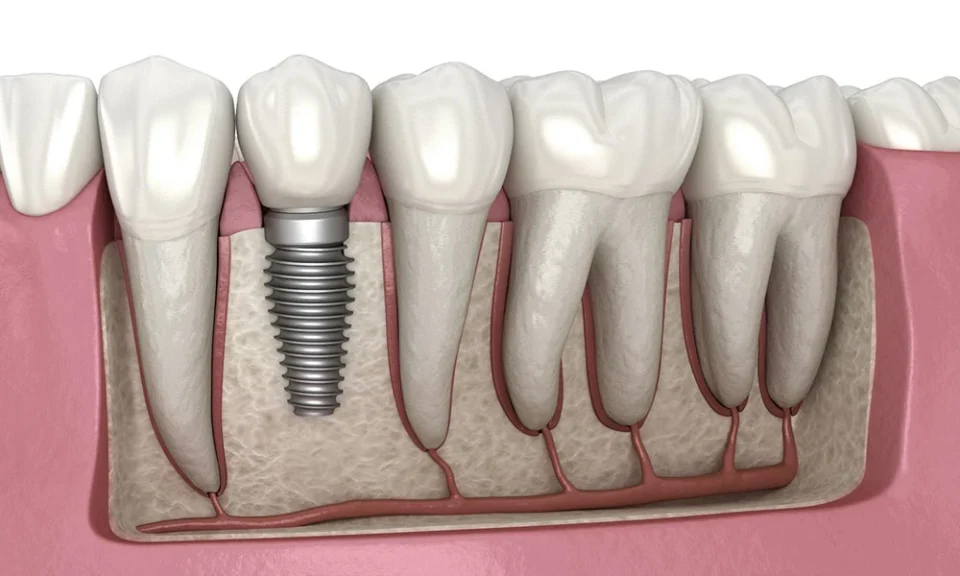
A dental implant is a small post placed in the jawbone to act as an artificial tooth root. After healing and integration with the surrounding bone, it can support a restoration above the gumline.
Depending on how many teeth are missing, implants may support:
- A single crown to replace one tooth
- A bridge to replace several teeth
- Certain implant-supported dentures
Unlike a conventional bridge, which generally relies on neighbouring teeth for support, an implant-supported restoration uses implants as its foundation.
Why Stability Matters
Removable restorations can sometimes move while eating or speaking. Implant-supported options are designed to provide a more secure foundation, which may help with chewing comfort and confidence during everyday activities.
Stability means more than simply preventing movement. Your dentist also considers how the restoration fits your bite, how forces are distributed, and whether the surrounding tissues can be kept healthy.
However, implants are not automatically the best choice for everyone. The right option depends on your oral health, treatment goals, and individual circumstances.
Which Types of Restorations Are Available?
Single missing tooth: An implant may support an individual crown designed to blend with the surrounding teeth.
Several missing teeth: An implant-supported bridge may replace multiple adjacent teeth. Depending on the treatment plan, implants can support a bridge without relying entirely on neighbouring natural teeth.
More extensive tooth loss: Some patients may be candidates for implant-supported dentures, which use implants to provide additional support compared with dentures that rest primarily on the gums.
The number and position of missing teeth, available bone, gum health, and overall dental condition all influence which option may be suitable.
What Affects Implant Support?
An assessment looks beyond appearance. Your dentist may consider:
- Bone support: Whether there is enough suitable bone for the planned implant.
- Gum health: The condition of the tissues around the proposed implant site.
- Bite: How your upper and lower teeth meet and the forces placed on the restoration.
- Oral hygiene: Whether you can clean around the implant and restoration effectively.
- Existing dental concerns: Nearby teeth and untreated problems that may affect planning.
An examination and, when indicated, diagnostic imaging help your dental team assess your situation and discuss appropriate options.
Long-Term Care Still Matters
Implant-supported restorations require ongoing care. Brush twice daily, clean around the restoration using the methods recommended by your dental team, and attend regular dental examinations and maintenance visits.
Although an artificial tooth cannot develop a cavity, the gum and bone around an implant can still develop problems. Good daily hygiene and professional monitoring help your dental team check the restoration and surrounding tissues over time.
Considering Dental Implants in Cambridge, Ontario?
General information can help you prepare, but an individual assessment is needed to determine which tooth replacement option may suit you. At Cambridge Centre Dental Care, you can discuss your needs and learn more about dental implant treatment. For people missing several or all teeth, the clinic also provides information about full-arch dental implants.
Frequently Asked Questions
Are implant-supported restorations permanent?
Implants are intended to provide long-term support, but the crown, bridge, or denture attached to them may need maintenance, repair, or replacement over time.
Are they more stable than removable dentures?
They are anchored to dental implants and may offer greater stability than dentures that rest mainly on the gums. Results and suitability vary by patient and restoration type.
Can one implant support more than one tooth?
In selected cases, strategically placed implants can support a bridge that replaces multiple teeth. Your dentist can explain what is appropriate for your situation.
Does an implant-supported restoration need special care?
It needs daily cleaning and regular professional maintenance. Your dental team can show you how to clean around your specific restoration.
Is everyone a candidate for dental implants?
No. Bone support, gum health, general oral health, and other individual factors need to be assessed before treatment is recommended.
Final Thoughts
Replacing missing teeth is about restoring function as well as appearance. Implant-supported restorations can provide a stable foundation for some patients, but the best choice depends on individual needs and the advantages and limitations of each option. A dental consultation can help you understand what is realistic and decide on a treatment plan with your dentist.
