
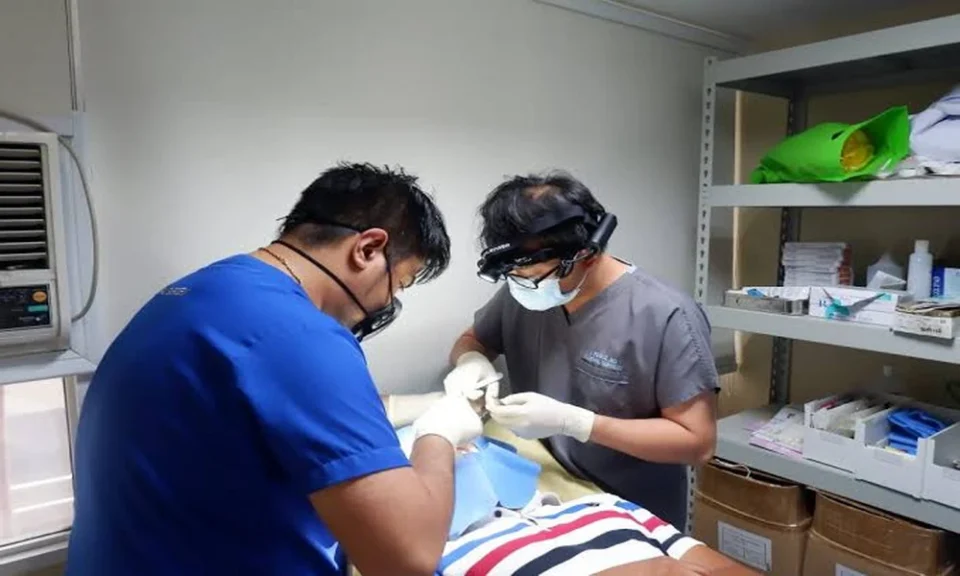
Circumcision is a significant decision that deserves proper planning. Although tuli is a familiar Filipino tradition, it remains a medical procedure involving sensitive tissue, anesthesia, wound care, and a risk of complications. Convenience and price should never be the only factors considered.
Choosing a qualified doctor and a properly equipped clinic can help make the experience safer and more comfortable. Before booking an appointment, parents, guardians, and adult patients should know what questions to ask and which warning signs to avoid.
Why Choosing the Right Doctor Matters
A trained medical professional should perform the procedure. The doctor must be able to assess the patient, explain the available methods, administer anesthesia safely, control bleeding, and respond if a complication occurs.
Check the Doctor’s Qualifications
Ask for the doctor’s full name and verify that the person has a valid license from the Philippine Professional Regulation Commission. You may also ask how frequently the doctor performs circumcision and whether the procedure is appropriate for the patient’s age and medical condition.
A trustworthy doctor should be willing to discuss:
- The method that will be used
- How local anesthesia will be given
- Possible risks and complications
- Expected healing time
- Pain management
- Wound-cleaning instructions
- Activities that should be avoided during recovery
Be cautious if the provider dismisses questions, promises a completely painless or risk-free procedure, or refuses to explain who will perform the circumcision.
How to Evaluate the Clinic
The safety of circumcision Philippines services depends on more than the doctor’s experience. The condition of the clinic, the cleanliness of the equipment, and the availability of emergency supplies also matter.
Inspect Cleanliness and Infection Control
The procedure should take place in a clean, private, and well-lit medical setting. Staff members should wash or sanitize their hands, wear appropriate protective equipment, and prepare the surgical area correctly.
Ask whether the clinic uses sterile, single-use instruments or properly sterilized reusable equipment. Needles, blades, gloves, gauze, and other disposable materials should not be reused.
Confirm That Emergency Support Is Available
Even a routine procedure can occasionally lead to unexpected bleeding, an allergic reaction, or another medical concern. The clinic should have basic emergency medicines, equipment, and a clear referral process.
Find out where the patient will be taken if hospital care becomes necessary. A low price is not a good bargain when the provider lacks the ability to manage complications.
Questions to Ask Before the Procedure
A proper consultation should happen before the operation. During this discussion, disclose any known allergies, medical conditions, previous reactions to anesthesia, current medicines, or family history of unusual bleeding.
For a child, the doctor should explain the process in language that both the parent and child can understand. Consent must be obtained without pressure. The patient should also have an opportunity to ask questions privately when appropriate.
Ask About the Circumcision Method
There is more than one way to perform a tuli procedure. The suitable method may depend on the patient’s age, anatomy, health, and the doctor’s clinical judgment.
Do not select a method simply because it is advertised as faster, newer, or “bloodless.” Ask the doctor to explain why the recommended technique is appropriate, how the wound will be closed or dressed, and what recovery may involve.
Request Clear Information About the Cost
Ask for a written breakdown of the expected charges. The quoted price should clarify whether it includes:
- The doctor’s professional fee
- Local anesthesia
- Medical supplies
- Prescribed medicines
- Follow-up consultations
- Dressing changes
- Additional treatment for complications
This prevents surprise expenses and makes it easier to compare clinics fairly.
Aftercare and Recovery Checklist
The clinic should provide written aftercare instructions before the patient goes home. Follow these directions carefully rather than relying on advice from friends or unverified online posts.
Keep the wound clean and dry according to the doctor’s instructions. Use only the recommended medicine, dressing, or cleaning solution. Do not apply herbal products, powders, oils, or home remedies unless the doctor specifically approves them.
Loose clothing may reduce friction and discomfort. The patient should avoid strenuous exercise, cycling, swimming, rough play, and sexual activity until the doctor confirms that healing is sufficient.
Warning Signs That Need Medical Attention
Mild soreness, swelling, or a small amount of spotting may occur during early recovery. However, contact the doctor promptly if the patient develops:
- Bleeding that does not stop
- Increasing redness, swelling, or pain
- Pus or a foul-smelling discharge
- Fever or chills
- Difficulty urinating
- Dark or unusually discolored tissue
- A wound that opens
- Signs of an allergic reaction
Seek urgent medical care for heavy bleeding, breathing difficulty, fainting, severe weakness, or rapidly worsening symptoms.
Final Safety Checklist
Before proceeding, confirm that the doctor is licensed, the clinic follows proper infection-control practices, and the recommended method has been explained clearly. Make sure the patient receives an appropriate medical assessment, informed consent discussion, written aftercare instructions, and reliable contact details for follow-up concerns.
Tuli may be culturally familiar, but familiarity should not lead families to overlook medical safety. The right provider will respect the patient’s privacy, answer questions directly, maintain a clean clinical environment, and remain available throughout recovery. Taking time to complete this checklist can support a safer and more informed experience.
