
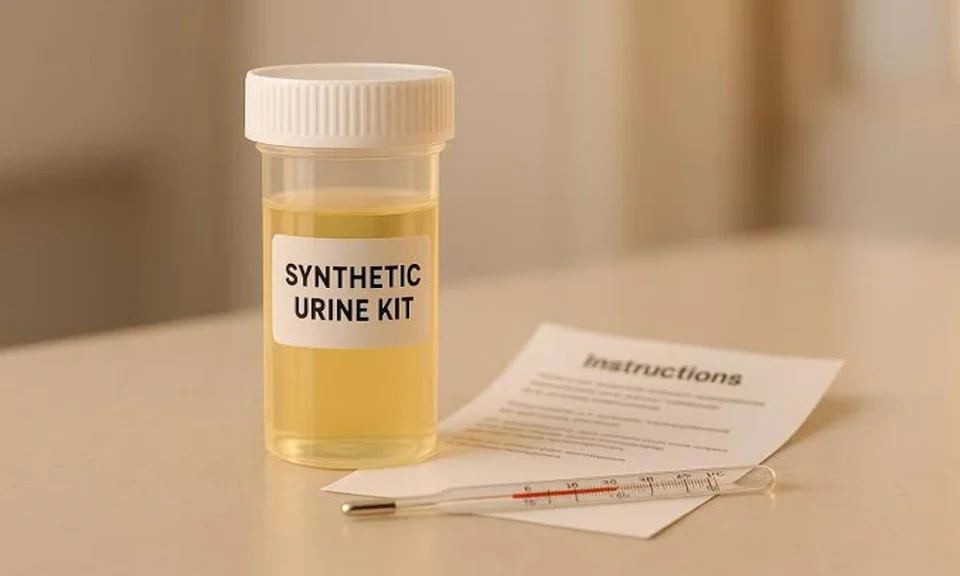
Modern laboratory simulation depends on materials with controlled chemical properties and steady physical behavior. Synthetic urine can contain measured compounds that support repeatable testing tasks. Improved preparation methods now focus on accurate ratios while maintaining stable conditions during handling. These refinements help reduce variation between batches while supporting dependable laboratory procedures. For consistent preparation needs, synthetic urine products offer controlled formulations suited to specific testing requirements.
Balanced Chemical Formulation Methods
Modern preparation begins with careful selection of individual compounds. Measured quantities help maintain a consistent chemical profile across separate batches. Improved mixing techniques support even distribution throughout each prepared sample. Quality checks can identify unwanted changes before laboratory use begins.
A balanced formulation supports reliable results during repeated simulation activities. Precise ingredient ratios help maintain expected characteristics throughout routine handling. The synthetic urine products can use controlled formulations suited to different laboratory requirements. This approach reduces unnecessary variation while keeping preparation straightforward.
Improved Component Measurement Accuracy
Accurate measurement remains central to dependable laboratory sample preparation. Modern equipment can measure small quantities with greater precision during formulation. Controlled weighing helps reduce differences between separate production batches. Standard procedures further support consistent chemical composition throughout preparation.
Thermal Control During Handling
Temperature changes can influence physical and chemical behavior during routine handling. Modern formulations are designed to remain stable under suitable conditions. Controlled handling helps limit unwanted changes during laboratory procedures. Suitable containers can further support consistent temperature conditions during movement.
Quality Controls Supporting Consistency
Quality checks help confirm whether prepared samples meet defined requirements. Composition testing can identify differences between individual production batches. Physical checks may reveal changes caused by unsuitable conditions. Documented procedures support consistent preparation across repeated laboratory activities.
Reliable Laboratory Simulation Development
Modern development combines precise formulation with controlled production methods. Improved ingredient selection can support stable chemical characteristics during use. Careful mixing promotes greater consistency throughout prepared laboratory materials. Ongoing refinement can improve reliability across repeated simulation activities.
- Precise weighing maintains consistent compound levels during preparation
- Controlled mixing supports even distribution throughout prepared laboratory samples
- Suitable containers help preserve expected material characteristics during handling
- Batch checks identify unwanted variation before laboratory procedures begin
- Temperature monitoring supports stable conditions during routine laboratory activities
Modern formulation methods provide a practical route toward stronger laboratory consistency. Accurate measurements help maintain expected chemical characteristics while thermal control reduces unwanted variation. Quality checks add another layer of reliability during preparation. Together, these methods support dependable simulation materials for repeated laboratory procedures. Careful formulation can therefore improve consistency without creating unnecessary complexity during routine work.
FAQ
What improves chemical accuracy during modern sample preparation processes?
Precise measurement methods maintain consistent compound levels throughout preparation.
Why does temperature stability matter during laboratory handling procedures?
Stable conditions help preserve expected chemical properties during routine handling.
How do quality checks support reliable laboratory simulation activities?
Routine checks identify unwanted variation before materials enter laboratory procedures.
