
TMJ Disorders
Temporomandibular joint (TMJ) disorders affect the jaw joint and the muscles that control jaw movement, often causing pain, stiffness, clicking or popping sounds, and limited jaw mobility. When left untreated, these symptoms can interfere with daily activities such as eating and speaking. Early identification and timely treatment play a crucial role in easing discomfort, improving jaw function, preventing symptom progression, and lowering the risk of long-term or chronic jaw-related complications.
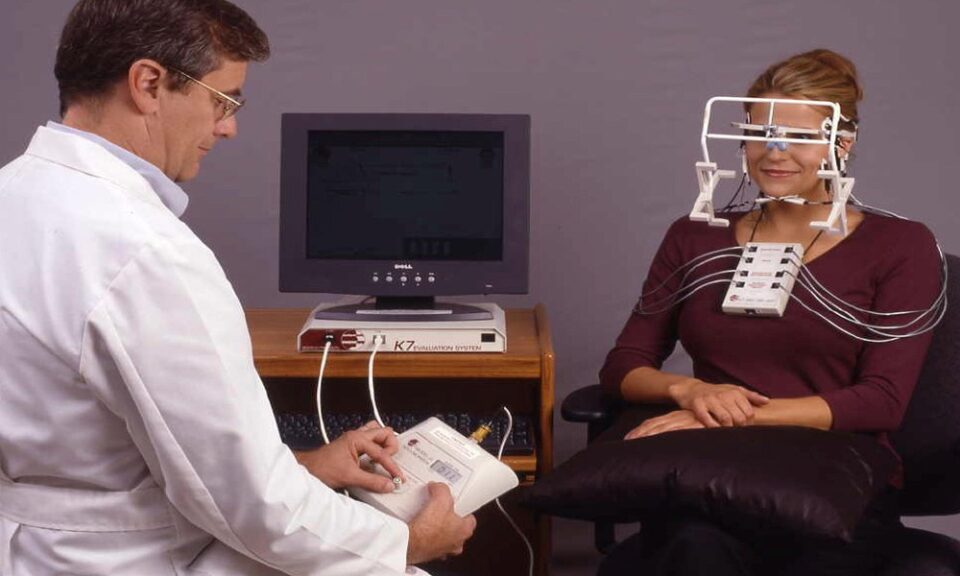
To identify a TMJ disorder, a healthcare professional starts by reviewing the patient’s symptoms and medical history, followed by a thorough physical examination of the jaw to assess movement, alignment, and areas of tenderness or pain. During this evaluation, the provider may:
- Listen and feel the jaw while opening and closing the mouth
- Observe the jaw’s range of motion
- Apply gentle pressure around the jaw to locate pain or tenderness
If further investigation is needed, imaging tests may be recommended, including:
- Dental X-rays to assess teeth and jaw structure
- CT scans to provide detailed images of the jawbones
- MRI scans to detect problems with the joint disc or surrounding soft tissues
In some cases, TMJ arthroscopy may be used. This minimally invasive diagnostic procedure involves inserting a small camera into the joint space to closely examine internal structures and identify the source of discomfort.
Treatment Approaches for TMJ Disorders
TMJ symptoms can sometimes improve without intervention, but ongoing or worsening discomfort usually needs professional care. In many cases, healthcare providers recommend a combination of treatments, such as medications, therapies, and lifestyle adjustments, to effectively reduce pain, improve jaw function, and prevent the condition from becoming chronic.
Medications for TMJ Pain Relief
Non-surgical medications may help manage pain and inflammation, such as:
- Pain relievers and anti-inflammatory drugs, including prescription-strength options
- Low-dose tricyclic antidepressants, which can help reduce pain, manage teeth grinding, and improve sleep
- Muscle relaxants, used short-term to ease jaw muscle spasms
Non-Drug Therapies and Self-Care
Several therapies can reduce TMJ symptoms without medication:
- Self-care practices, such as applying heat or ice and avoiding gum chewing or jaw clenching
- Oral splints or mouth guards, which may help reduce pressure on the jaw
- Physical therapy, including jaw exercises, ultrasound therapy, and TENS treatment
- Counseling and education, to address habits like teeth grinding, nail biting, or resting the chin on the hand
Surgical and Advanced Treatment Options
When conservative treatments are ineffective, advanced procedures may be considered:
- Arthrocentesis, a minimally invasive technique that flushes debris from the joint
- Joint injections, including corticosteroids or botulinum toxin in specific cases
- TMJ arthroscopy, offering targeted treatment with fewer risks than open surgery
- Modified condylotomy, which treats TMJ issues indirectly through jaw surgery
- Open-joint surgery, reserved for severe structural problems when all other treatments fail
